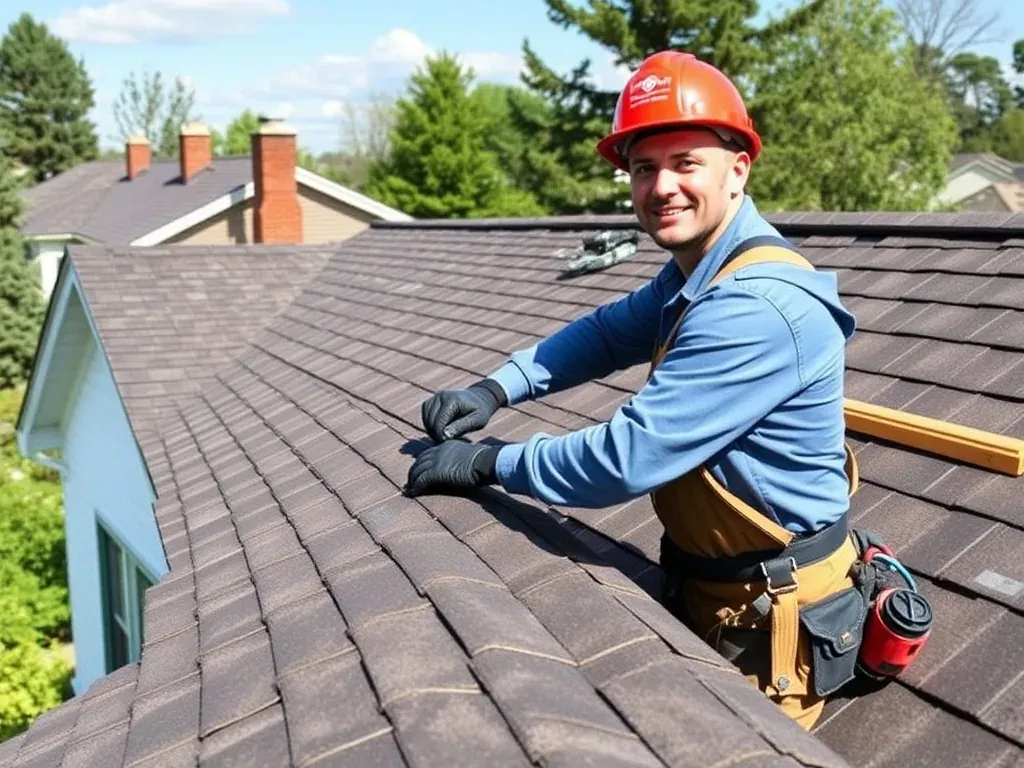
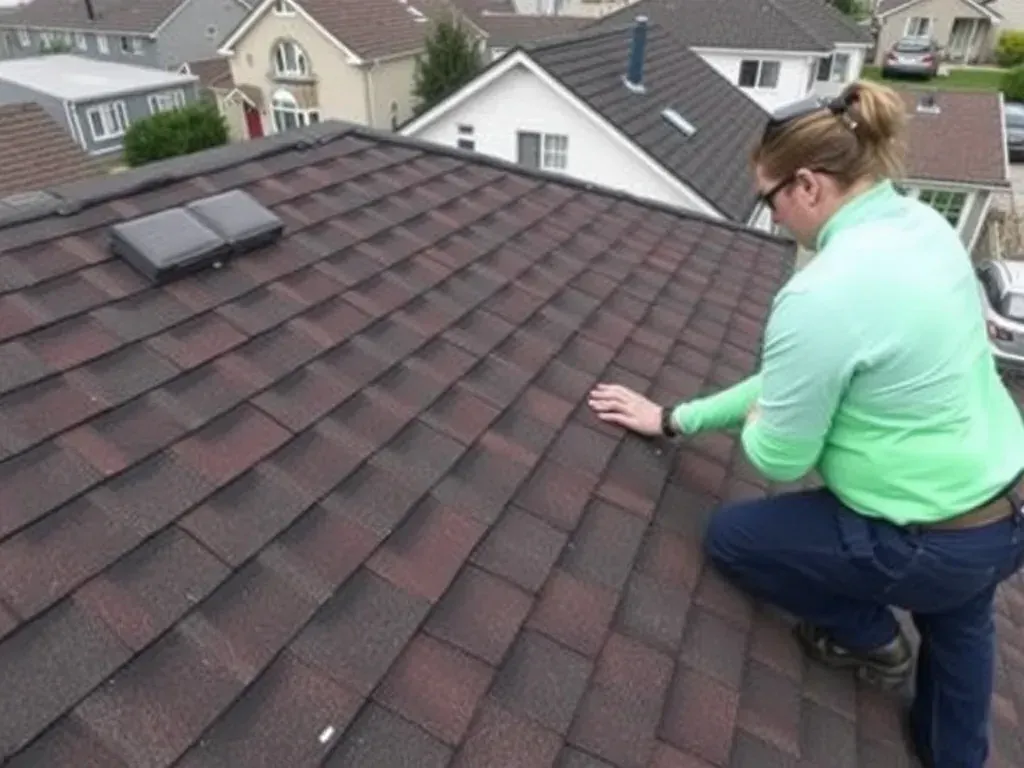
New roof installation strips the old roof down to the sheathing, checks the deck for rot and decay, and rebuilds the layers that keep water out. We tear off to bare wood, then probe the sheathing plank by plank.
Soft OSB or plywood gets cut out and replaced. We then fit new drip edge, run ice-and-water shield along every eave, valley and chimney flashing, and cover the roof deck with synthetic underlayment.
Ventilation matters as much as the shingles. A ridge vent working with soffit vents lets attic heat escape, which drops summer cooling costs and keeps insulation dry through humid thunderstorms.
For Trenton's mix of Victorian rowhomes, mid-century bungalows and post-war twin homes, we price architectural shingles, standing-seam metal and flat membrane systems side by side so you can see what each option costs.
What a new roof installation includes
- Tear-off of the old shingles, felt and nails, hauled away in a dumpster we drop the same morning.
- A roof inspection of the sheathing, rafters and joists before any material is ordered.
- Deck repairs in OSB or plywood wherever water has wicked in and rotted the substrate.
- Ice-and-water shield at eaves, valleys and chimney flashing, where ice dams form.
- Synthetic underlayment across the field of the roof instead of tar paper or roofing felt.
- New drip edge on the rake, ridge cap along the hip or gable, and pipe boots at every penetration.
- A starter course plus staggered field courses, set with ring-shank nails and a nail gun.
- A magnetic sweep of the lawn, driveway and any lower rooftop for nails and fasteners before the dumpster leaves.
Warning signs the roof is at end-of-life wear
- Granule loss that leaves bald patches and gritty gutter flow after a storm.
- Sagging rooflines, or a ridge beam that has started to settle.
- Rot and decay at the fascia, soffit or dormer, where water sits against wood.
- Ice dams at the eave after every hard freeze, a sign attic heat is melting snow too fast.
- Interior staining that shows water wicking along a valley or chimney.
- Missing, curled or bruised shingles after a nor'easter, which usually points to wind uplift.
Materials we install, and where each one belongs
- Asphalt shingles, including entry-level three-tab and heavier architectural shingles, still cover most sloped residential roofs at the lowest material cost.
- Wood shake and cedar shake suit historic restorations but need more care and cleaner drainage.
- Slate, clay tile and concrete tile outlast everything else and weigh the most, so the truss and rafters get checked first.
- Standing-seam and corrugated metal panels shed snow well and rarely need repainting.
- TPO, EPDM and PVC membrane handle flat roofs and low-pitch sections where shingles don't belong.
- Built-up roof and modified bitumen go on hot or with a torch over porches and small additions, where local rules allow.
- On mansard and gambrel rooflines we pair a shingle field with a low-slope membrane behind the parapet or dormer.
Small details that decide whether the roof stays dry
- Pipe flashing and a new pipe boot at every plumbing stack, since rubber collars crack years before the shingles do.
- Step flashing where the roof meets a sidewall, counter-flashing at the chimney, and apron flashing at its base.
- Verge trim and gable-end metal that stop wind from lifting the edge during a nor'easter.
- Battens and counterbattens over the purlins on metal panel roofs, which create a drainage plane under the panel.
- Anchors set into the deck for a safety harness, so nobody works a wet pitch without tying off.
- Waterproofing at the chimney and weatherproofing at the skylight curb, the two spots we get called back to most.
- Mastic and roof cement only for a patch, never as a stand-in for proper flashing.
- A vapor barrier on the warm side of the attic, not the underside of the decking, to stop moisture condensing on cold wood.
- Scuppers and coping kept clear on flat sections, so ponding water drains instead of sitting.
- A snow guard above the eave on metal, and an awning, canopy or deep overhang to shade a south-facing wall.
Tools and site setup you'll see in the driveway
- Scaffold, ladder and safety harness staged each morning; a wet pitch waits for another day.
- Nail gun and air compressor for the field course, plus a roofing square to check pitch and layout.
- Pry bar and roofing shovel for tear-off, with debris sorted so shingles can be recycled where the yard takes them.
- Sealant, caulk and adhesive for penetrations, plus a coating only where a sound membrane can take one.
How long does a new roof installation take?
A typical sloped roof on a Trenton twin home takes one to three days when the weather cooperates. Steep pitch, extra layers of old roofing and deck repairs all add time.
What drives the cost of a new roof installation?
Pricing is quoted by the roofing square and moves with pitch, roof size, how many old layers get torn off, and whether the sheathing needs replacement. You get a written roof estimate before anything is ordered.
Does insurance cover a new roof installation?
Only when the damage traces to a single event like hail or wind. We photograph what we find, note the storm date, and handle insurance claim assistance so the scope matches the damage.
Is a full replacement always the right call?
No. If the flashing or a valley has failed and the field shingles still hold, a repair or reseal is the better spend. We'll tell you which one your roof actually needs.
What about roof maintenance after the job?
Clearing gutters and downspouts twice a year, checking pipe boots and resealing chimney flashing keeps a newer roof out of trouble. We can fold that into a maintenance visit.